
 Menu
Menu Close
Close
- News
- Dave Ryding’s Go-To Ski Fitness Exercises
World Cup winner and Olympic legend Dave Ryding shares five simple ski fitness exercises to help you build endurance, strength, balance and control before you hit the slopes. Designed for everyday skiers, this easy guide by Ski Club’s newest Ambassador offers practical inspiration from Britain’s greatest alpine skier — or, as Dave puts it, “a bloke who learned to ski on a carpet.”
Let me set the scene. I grew up skiing on a dry slope in Pendle, Lancashire. For those who have never had the pleasure, dry slope skiing is essentially carpet and bristles, and if you fall, it bites back. So when people ask me the secret to my career, I tell them the truth: I was too stubborn to admit that plastic matting is not, in fact, snow.
But stubbornness only gets you so far; a lot is fitness. Over twenty-odd years of World Cup racing, I learned that the body you bring to the mountain decides what the mountain gives back. So whether you are chasing a podium or just trying to make it to the bottom of a red run without your thighs filing a formal complaint, here are my five main exercises to get you ski fit.
No fancy kit required. Just you, a bit of effort, and possibly a kettlebell you bought in 2020 and have been using as a doorstop ever since.
2.
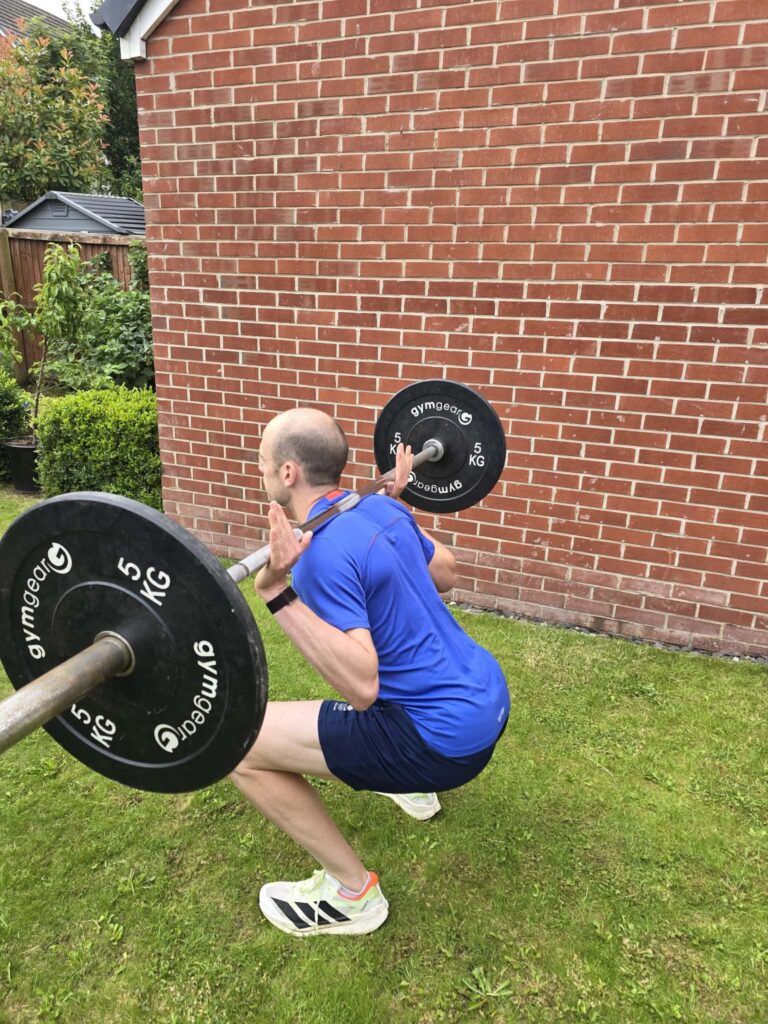
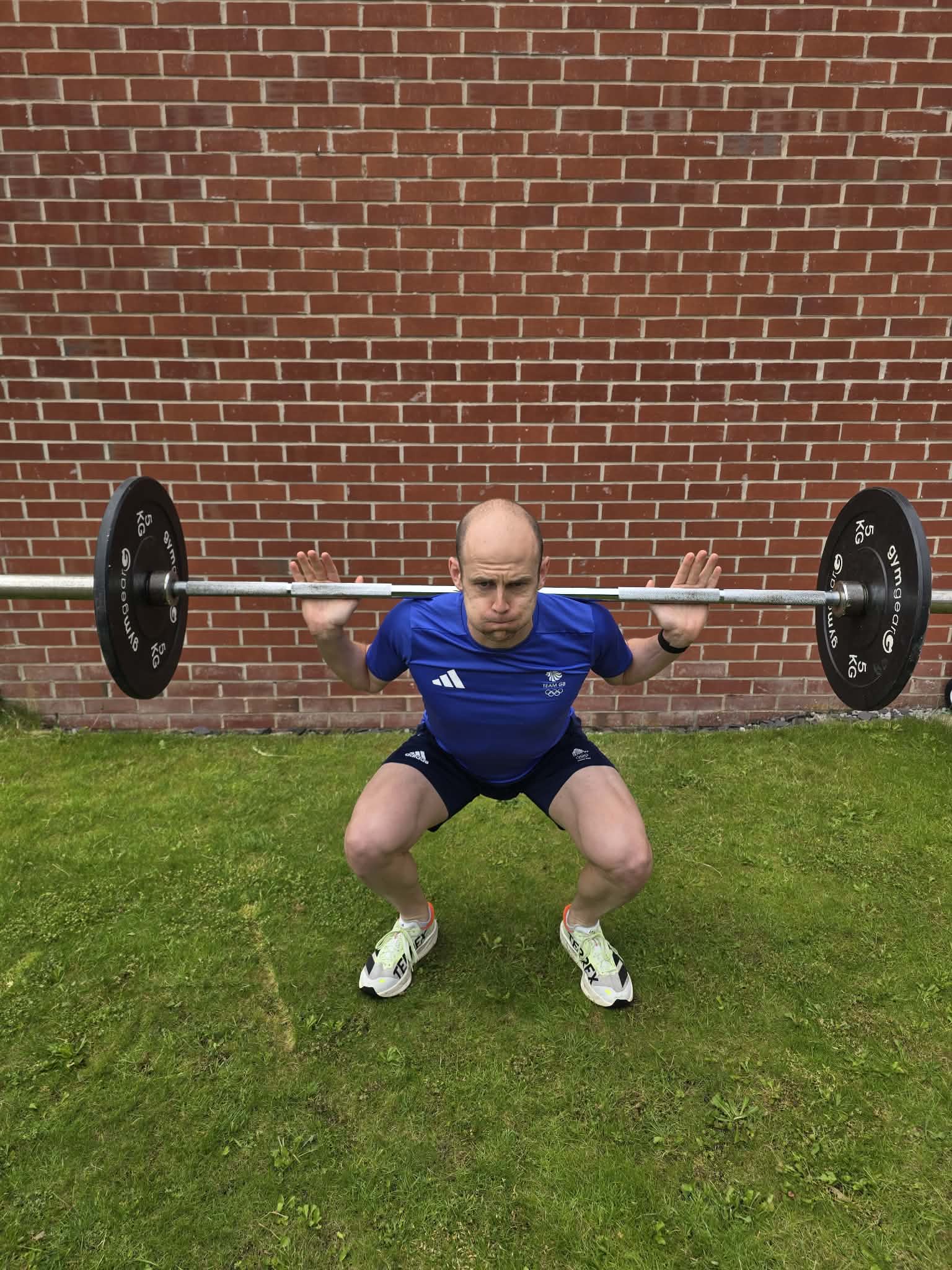
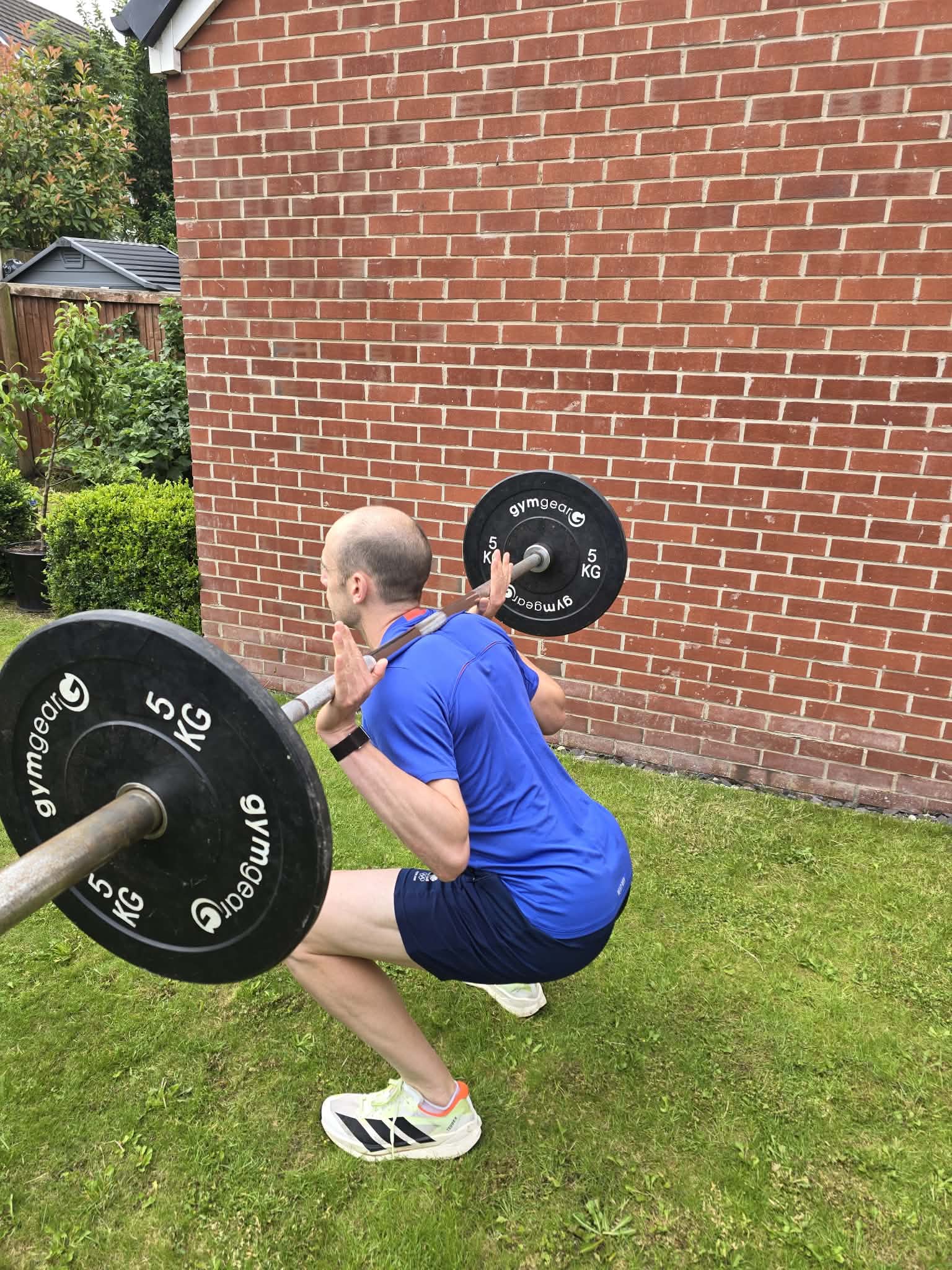
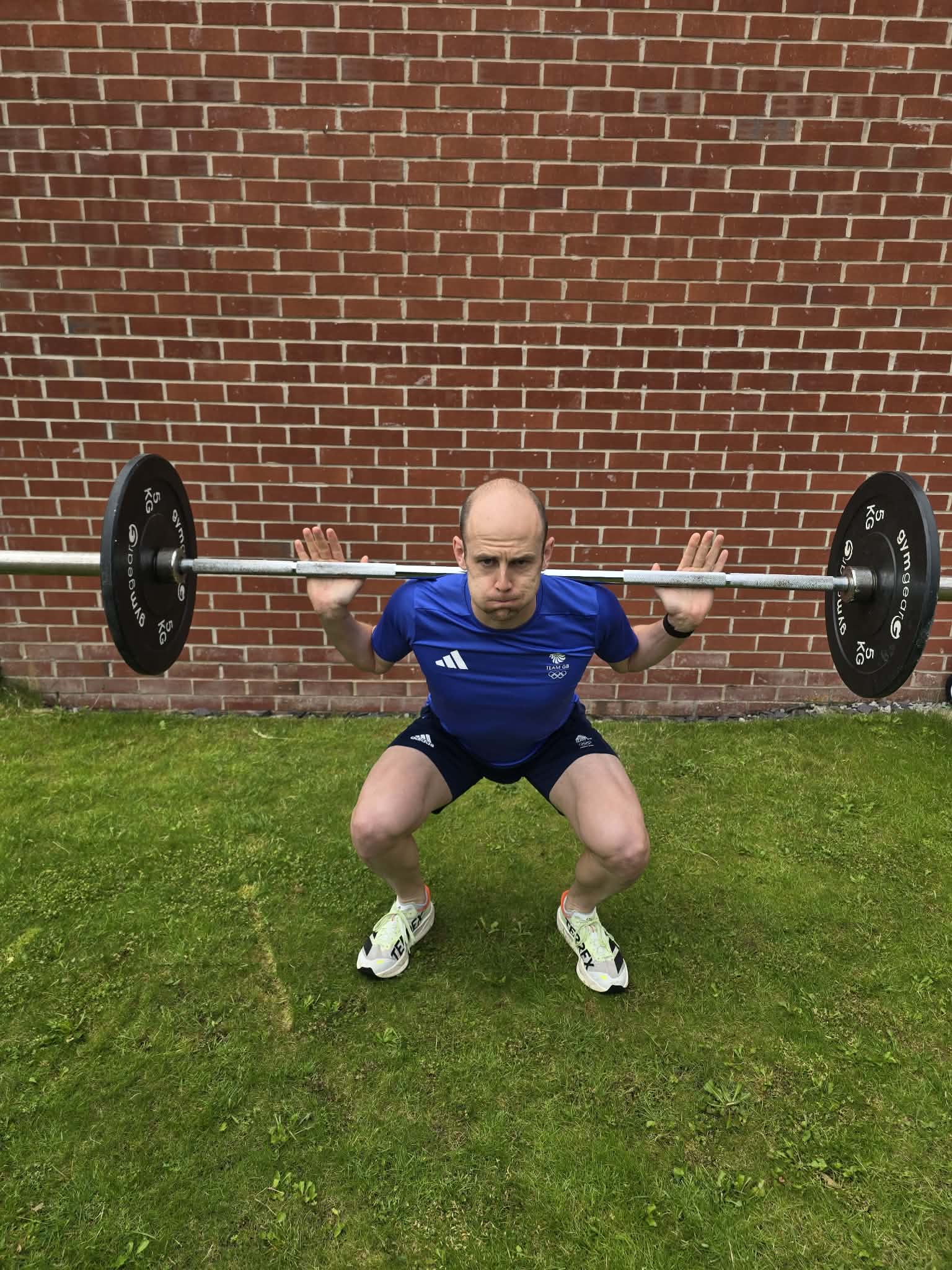
The Back Squat: My Faithful Companion for 20+ Years
If I had to marry one exercise, it would be the back squat. I did this religiously, every single week, for over twenty years. We have been through a lot together.
The squat builds the exact strength skiing demands: powerful legs that can absorb bumps, hold an edge, and keep you stable when the slope decides to get interesting. It is the closest thing to a magic pill that exists in ski fitness.
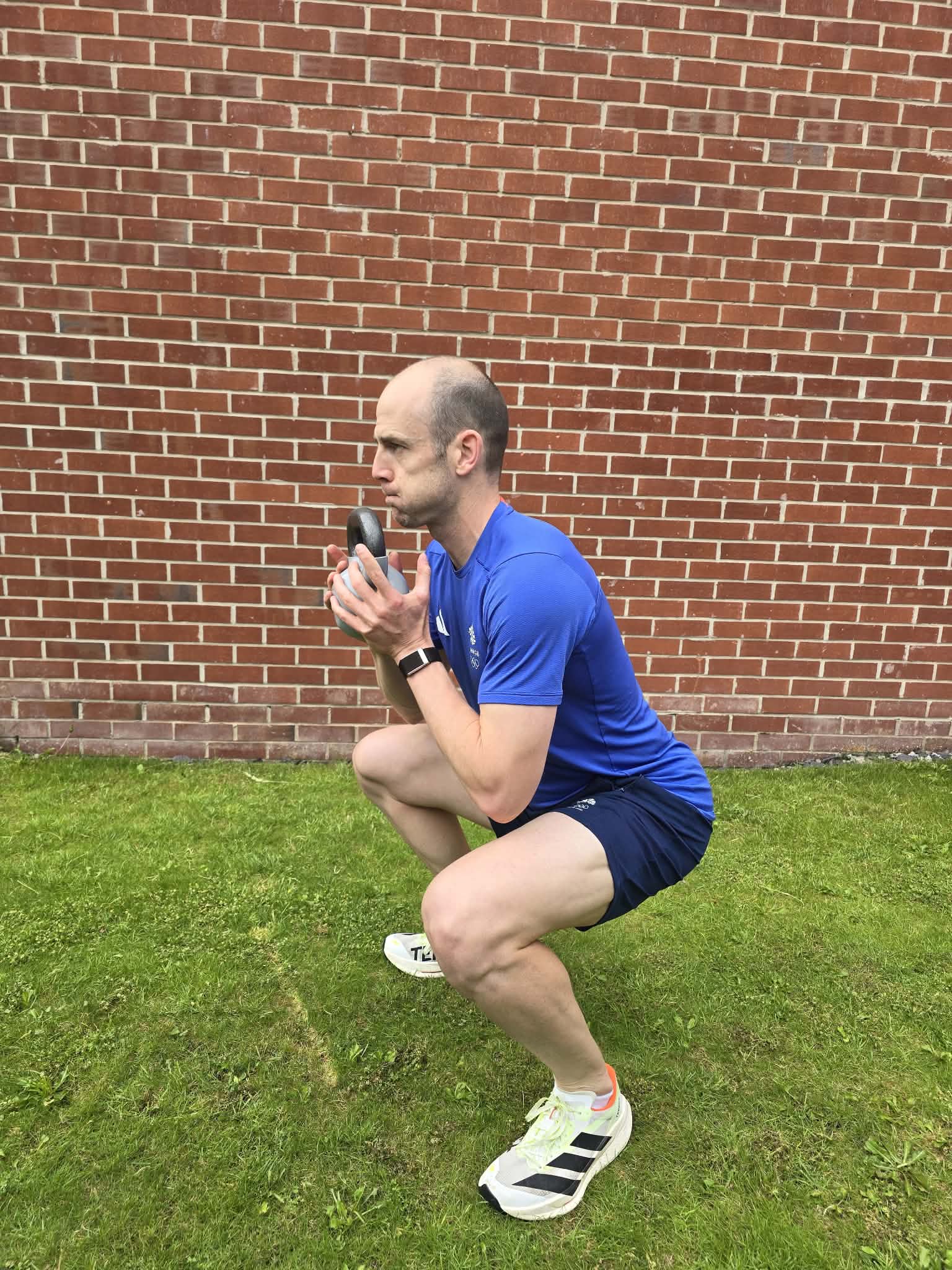
But here is the important bit, and I mean this. If you are a beginner, start with bodyweight only. No bar, no weights, just you sitting down to an imaginary chair and standing back up. Master that movement first. Get the depth, get the balance, get comfortable. The load can come later once the technique is solid.
And if you have got any questions at all about your form, please seek professional input from a qualified coach or trainer. I had an entire team helping me get this right over the years. There is no shame in asking. The only shame is tweaking your back trying to look impressive in front of the bloke on the next rack.
3.
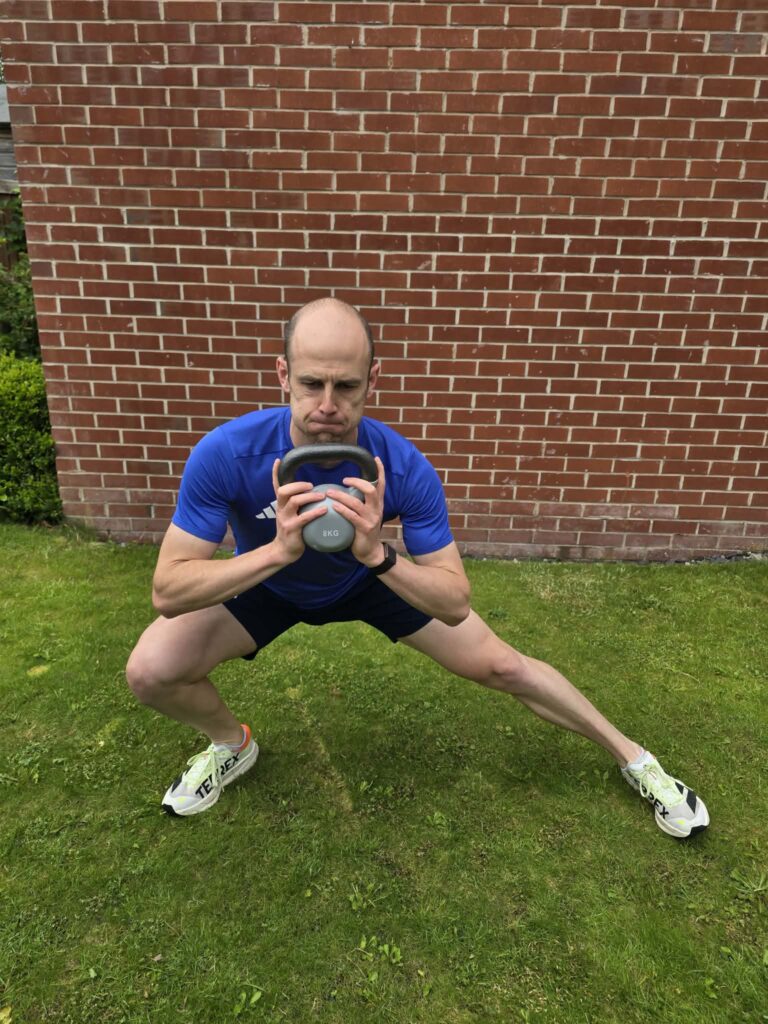
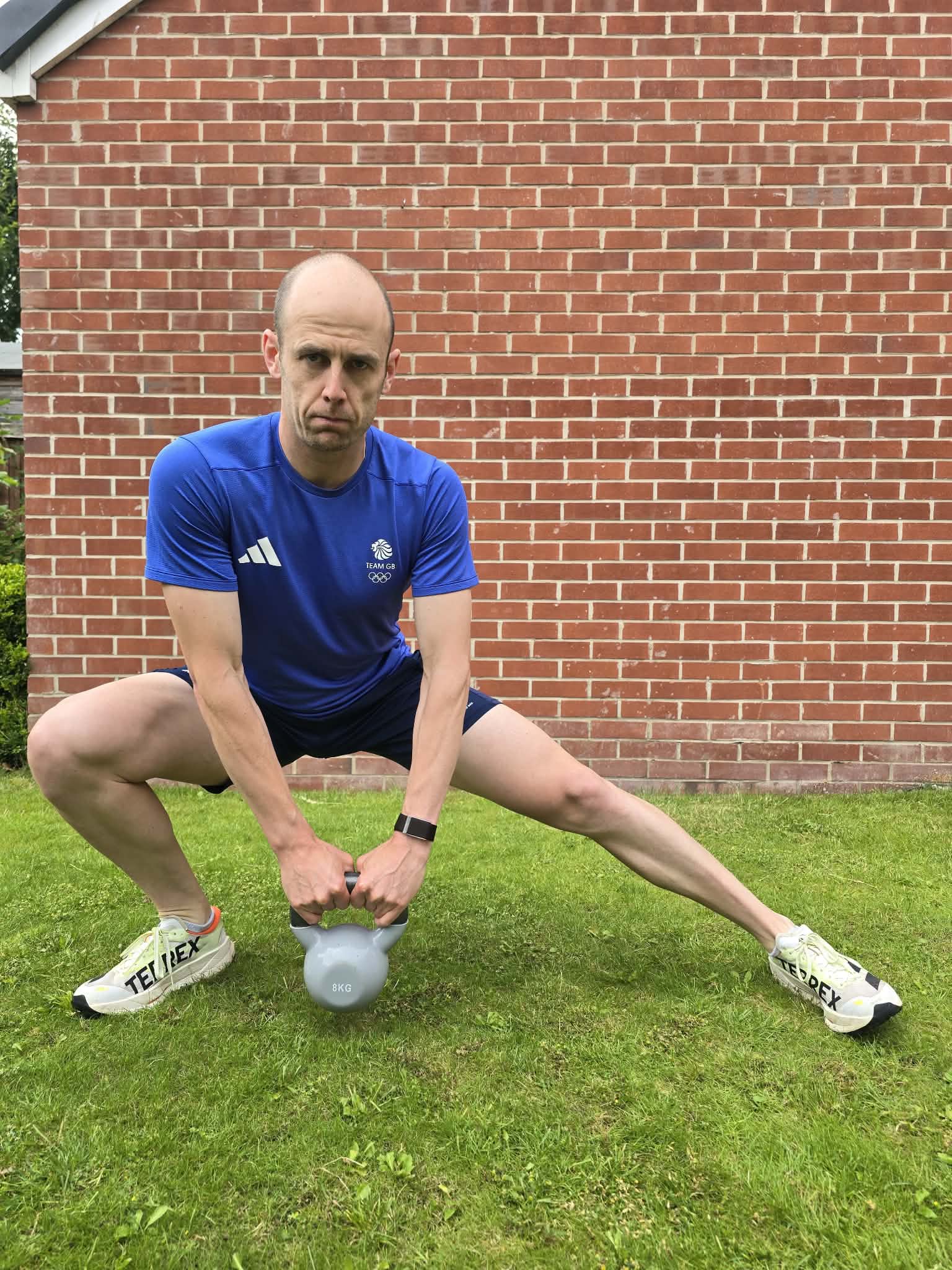
The Side Lunge: Skiing Happens Sideways Too
Here is something people forget. Skiing is not done in one tidy plane of movement. You are carving, edging, shifting weight side to side. So if all your training only ever goes forwards and backwards, you are preparing for a sport that does not exist.
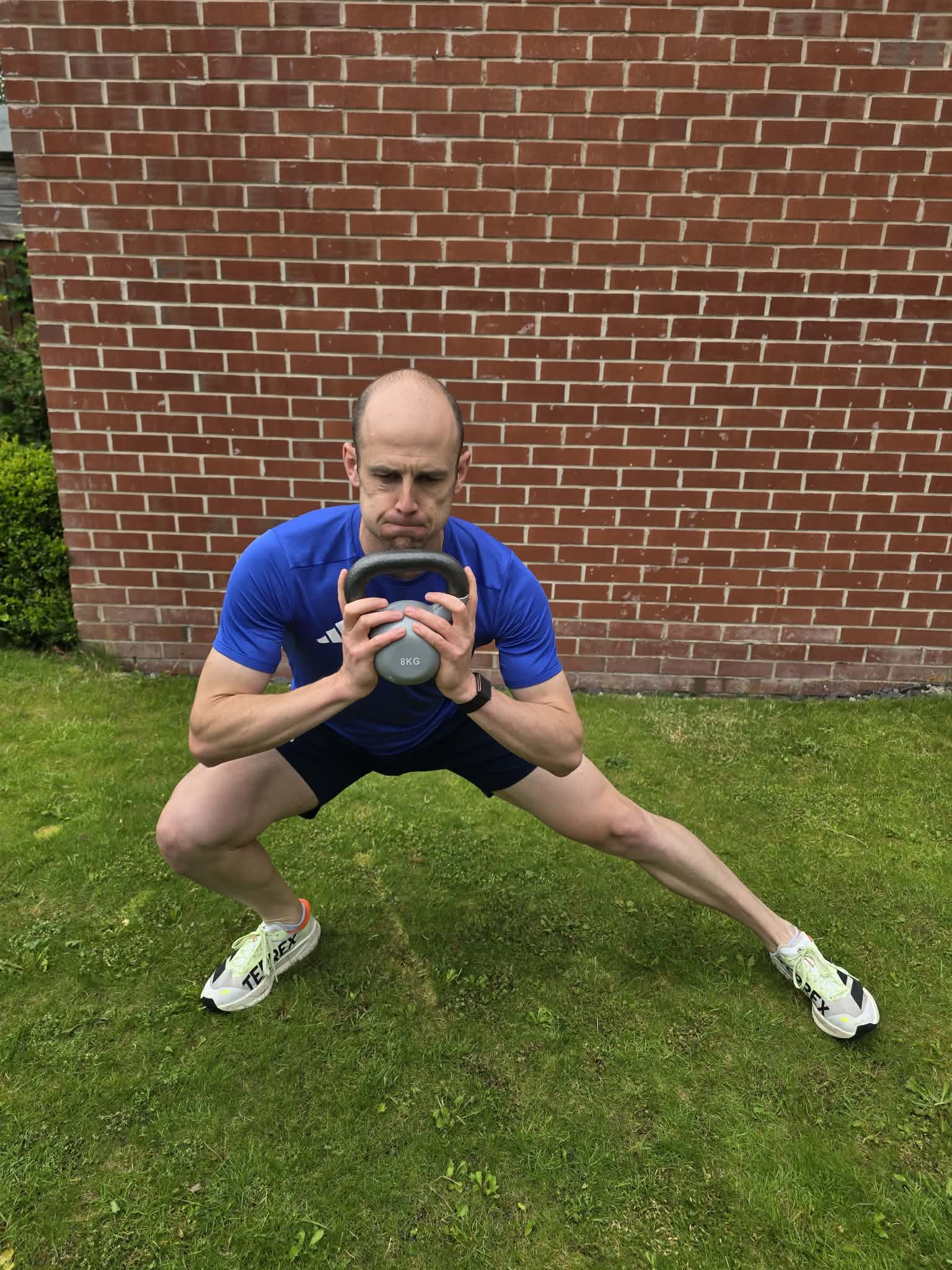
Enter the side lunge. Step out wide to one side, sink down into that leg while keeping the other straight, then push back to the middle. You will feel muscles you did not know you had signed up for. That is the lateral strength that keeps you stable when you are leaning into a turn.
Here is the other reason I rate this one so highly: flexibility. As we get older, staying mobile is not a luxury, it is the whole game. The side lunge takes you through a lovely big range of movement, which makes it perfect for combining strength and mobility in one go. I loved it as part of my warm up before a squat back in my racing days. Now, though, it has earned a permanent place for a different reason. It is what keeps me limber enough to get down on the floor and play with the kids without making that noise we all eventually start making when we stand back up.
Start with bodyweight until the movement feels smooth. Once you are confident, progress to holding a kettlebell at your chest, and from there move up to dumbbells. Simple ladder: bodyweight, kettlebell, dumbbells. Climb it at your own pace. There are no prizes for rushing and pulling something.
4.
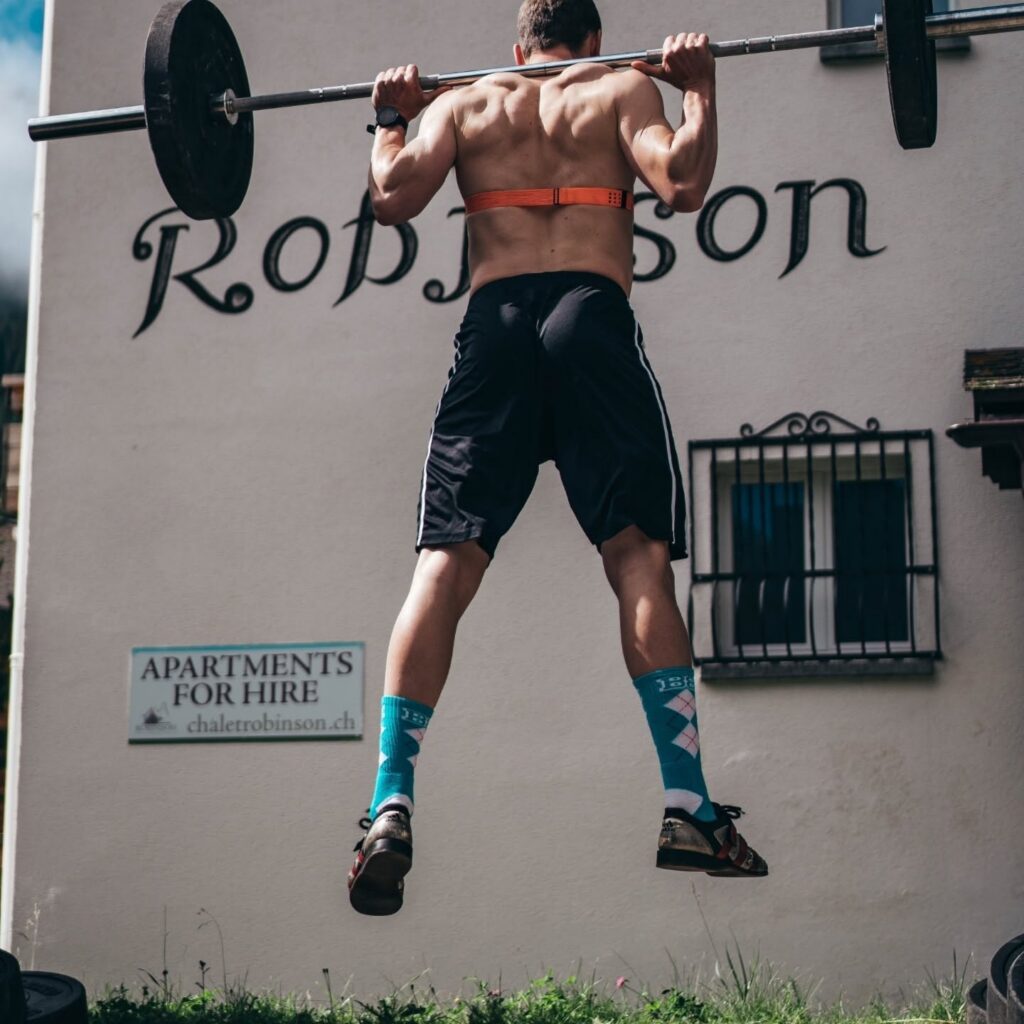
Pogo Jumps: Time to Feel Light on Your Feet
This is your gentle introduction to plyometrics, which is a fancy word for “bouncy training.” Pogo jumps teach your legs to be springy, reactive, and quick, exactly how you want to feel when the snow gets choppy and you need fast, light feet rather than two lead boots.
Think of it as channelling your inner pogo stick. Stay tall, stay light, minimal knee bend, all the action through the ankles and calves.
Here are four versions to work through as you build up:
Version 1: Plate pogos (bilateral). Rapid hops on and off a plate, both feet together. Stay tall, get in and out fast. The plate gives you a little target to react off, and the name makes it sound far more glamorous than standing in your kitchen hopping over a weight.
Version 2: Single leg pogos (single leg). Same springy action, but on one leg, with your free leg staying nice and still. This is where you find out which leg has been quietly slacking off all these years. No favourites allowed, do both sides equally.
Version 3: Lateral pogos (single leg). Hop side to side over a band on one leg, landing and reloading immediately. This brings back that lateral theme, and skiing loves anything lateral. Quick feet, quick reactions, just like reading a turn before it arrives.
Version 4: Split stance pogos (single leg). Get into a lunge position and do rapid vertical hops without switching your feet. It is a proper test of stability and spring at the same time. Your back leg will have opinions about this one.
Soft landings throughout. The goal is to sound like a whisper, not a herd of buffalo coming through the ceiling. Your downstairs neighbours will thank you.
5.
Core: Three Exercises for Us Mere Mortals
Everyone bangs on about core strength, usually while doing something dramatic on a gym ball. But your core is what holds you together when skiing tries to fold you in half. A strong core means better balance, better control, and far less chance of your upper body and lower body going their separate ways mid-turn.
Here are my three for the mere mortals among us. No gym ball heroics required.
Dead bugs. Lie on your back, arms up, knees up, then slowly lower opposite arm and leg while keeping your lower back glued to the floor. Looks easy. Is not. Named after exactly what you will resemble, and there is no dignified way to do them, so embrace it.
Side plank. On your side, propped on one forearm, hips lifted, holding a straight line. Brilliant for that lateral stability we keep coming back to. Start with whatever you can hold and build from there. Even ten seconds is a start.
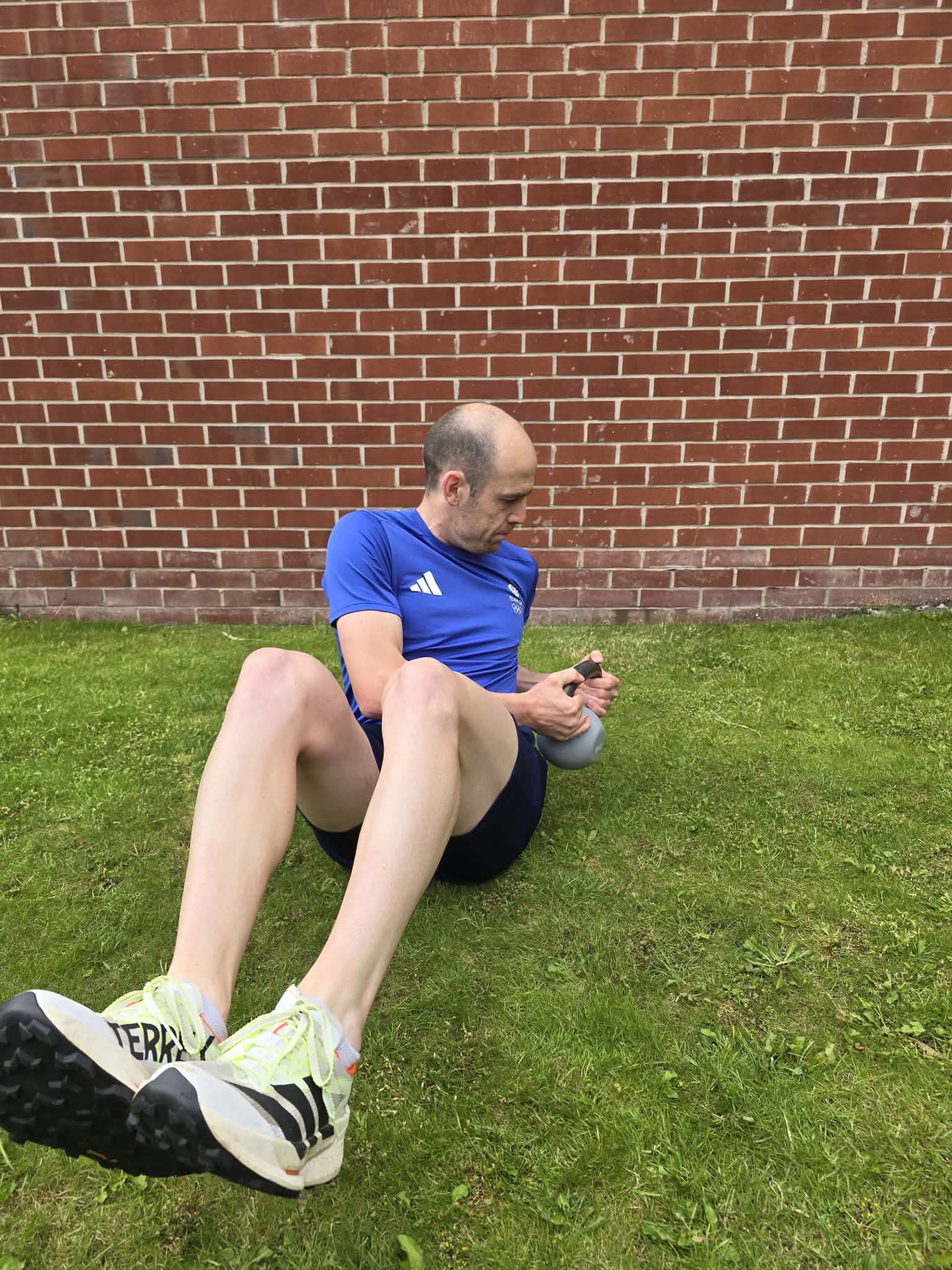
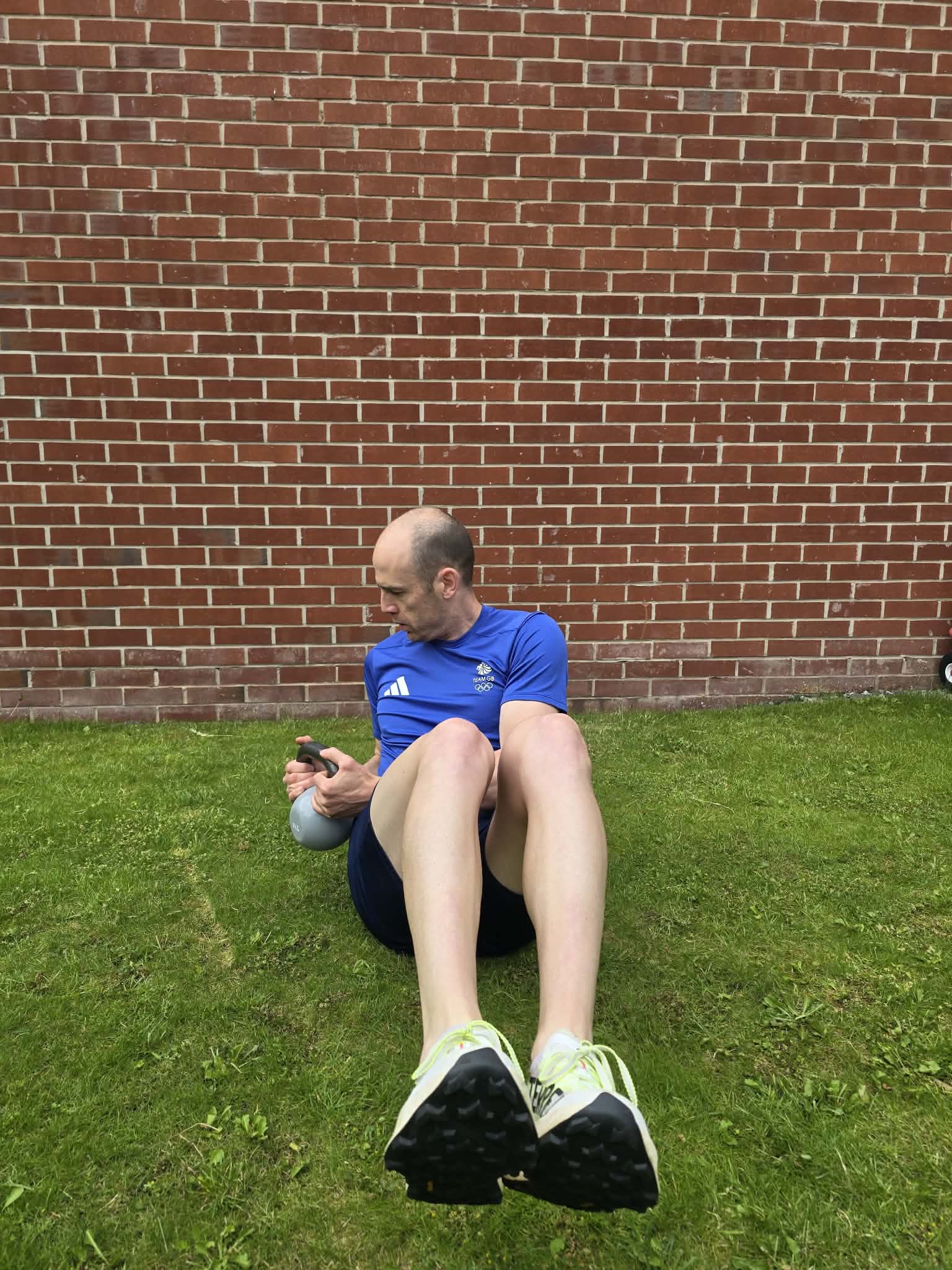
Russian twists. Sit with knees bent, lean back slightly, and rotate side to side. Add a weight once you are comfortable. This is the rotational strength that makes turning feel effortless rather than like wrestling a shopping trolley with a wonky wheel.
The Bottom Line
You do not need to be a five-time Olympian to get ski fit. You just need to start. Build the engine, build the legs with squats and side lunges, build the spring with pogos, and tie it all together with a bit of core work.
Do this consistently and you will arrive at the mountain ready to enjoy every single run, rather than spending the first three days walking like you have borrowed someone else’s legs.
I learned to ski on a carpet in Lancashire and somehow ended up winning a World Cup. So trust me when I say it is not about where you start. It is about putting the work in. Now off you go. That parkrun will not run itself.
See you on the slopes.



 Menu
Menu