
 Menu
Menu Close
Close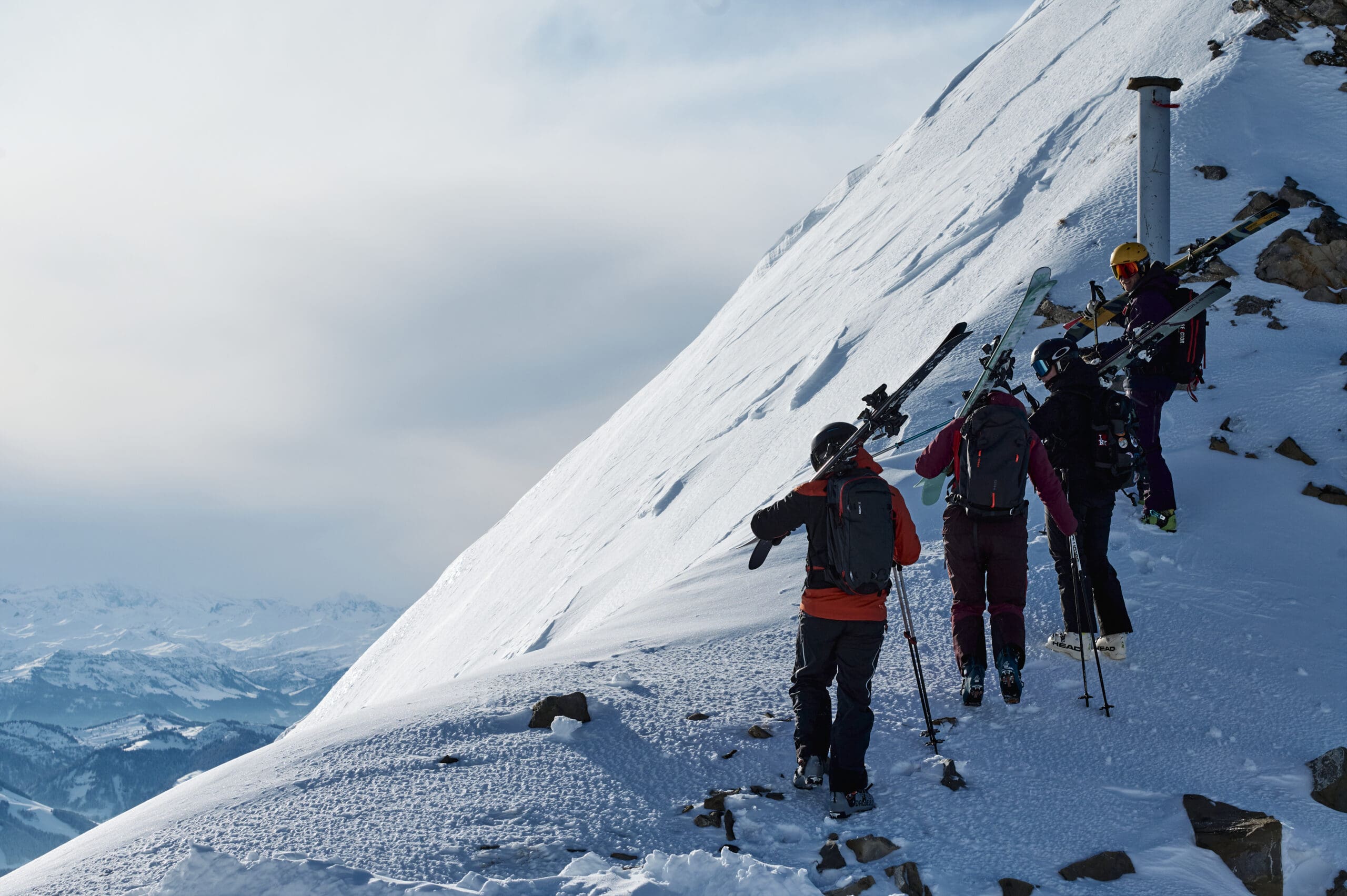
Understanding Ski & Travel Insurance
The world of travel insurance is more complicated than ever – the Ski Club is here to help.

- Discover Snowsports
- Planning the Perfect Holiday
- Understanding Ski & Travel Insurance
Having the right travel insurance for your ski trip is vital; you will need to make sure you are covered for all the activities you want to pursue on your trip, and make sure you are not caught out by policy wordings.
This guide is designed to help you understand all the things you might encounter when dealing with travel insurance for your skiing holiday. The very nature of insurance means that it is guide can never be entirely comprehensive; the only way to understand a travel insurance policy is to read the policy documents provided carefully, which have to be made available to you before purchasing a policy.
Policy Documents
In the UK, the following policy documents have to made available to you before you purchase a travel insurance policy:
- Policy Wording – a detailed description of everything covered by a policy, including definitions of different meanings, and exclusions from what is covered.
- Insurance Policy Information Document – known as an IPID, summarises the key points of cover provided by a policy.
Following purchasing a policy, you will be issued, in addition to the above, the Policy Schedule. This provides details of, amongst other things: Names of those insured; Geographic extent of cover; included additional activity packs; and dates of cover.
GHIC Cards
Global Health Insurance Cards (GHIC) provide a limited amount of cover for those travelling abroad from the UK. They can be used to lower the cost of repeat prescriptions or some forms of emergency care whilst traveling abroad.
They are a supplement to, but not a replacement for, travel insurance especially when taking part in winter sports.
More information can be found on our dedicated GHIC pages here.
Resort Ski Insurance
Many resorts offer ski insurance as part of the lift pass purchasing process.
This most popular of these is the Carré Neige scheme (sometimes erroneously referred to as a Carte Neige), which is offered by resorts in the Haute Savoie region of France for as little as 3EUR a day.
Rescue insurance such as this provides cover for:
- Evacuation from the mountain in the event of an emergency by ski patrol or search & rescue teams, including via helicopter if required.
- Treatment at the first point of medical care (i.e. the medical centre or hospital where you are first treated, but not if you are then transferred on elsewhere.
Both Italy and Switzerland offer similar services; In Austria, the Austrian Alpine Club operate their own insurance scheme for their members – this is open for members from around the world, and provides rescue insurance across the Alps and indeed around the world.
The same cover is provided by all Ski Club Travel Insurance policies; therefore, purchasing Carré Neige or other rescue insurance is not necessary for policy holders when buying your lift pass.
Winter Sports Cover
Many travel insurance policies now provide winter sports cover – this may be sold as an addition to the base insurance policy, or integrated into the main policy. It is important to read your policy schedule and policy wording carefully to understand how winter sports cover is provided under your policy.
Winter sports cover will generally include cover for the following things in addition to the cover provided by the rest of the policy:
- Winter Sports Pack – for loss of use of lessons and lift pass under certain circumstances, normally “too much” or “too little” snow.
- Ski equipment damage/theft/loss – this includes both owned equipment and rental, and provides compensation and cost covering if your equipment is lost, stolen and damaged.
- Emergency medical cover – for injuries sustained whilst taking part in a range of winter sports activities; the exact activities vary policy to policy, and often feature a range of exclusions, so please see our “Important Exclusions” section below.
What activities are you covered for?
This is one of the most important exclusions or variations under winter sports cover; there will be limits on where and what activities you are covered for.
For example, “skiing” will be divided up into the following activities. These examples are taken from the Ski Club’s own travel insurance policies:
- Skiing – on piste – skiing between piste markers on a marked run
- Skiing – off piste – opposite to skiing on piste, skiing away from a marked piste
- Skiing – Backcountry – skiing outside resort boundaries (another important exclusion, see below)
- Skiing – Freestyle or Skiing in Terrain Parks – one of the most common variances under a policy, freestyle skiing and using features in a terrain park are very often found in higher activity packs than just the standard winter sports cover pack.
- Skiing – ski touring & skiing – ski mountaineering – as it sounds like, heading uphill using skis and skins; the definition of ski mountaineering can vary considerably between insurance provider.
On Piste & Off Piste Cover
The most important difference between the various policies is the cover provided both on and off piste. These further define where emergency medical cover is provided under your winter sports pack.
There are various “levels” of cover provided, with important restrictions possible including:
- On piste with a guide/instructor – whilst rare, this is becoming more common; cover is only provided if you are skiing on piste with a guide or instructor.
- Off piste with a guide/instructor – this is the most common restriction on insurance; cover is provided for all activities on piste, but cover is only provided off piste when skiing with an instructor or guide.
- Outside of resort boundaries – this is sometimes referred to as “backcountry” skiing. Despite popular European understanding, there is a definition of a resort boundary in Europe (where resorts are not physically roped off like in North America or Japan); the resort boundary is an imaginary line from the top of the nearest accessible ski lift (i.e. on that mountain face, not the highest lift in the resort!). As soon as you begin to bootpack up from that line, you are outside resort boundaries.
- You may find other restrictions like “in view of the resort” – these are difficult to define, but can be analogous to skiing within resort boundaries as above.
 Menu
Menu